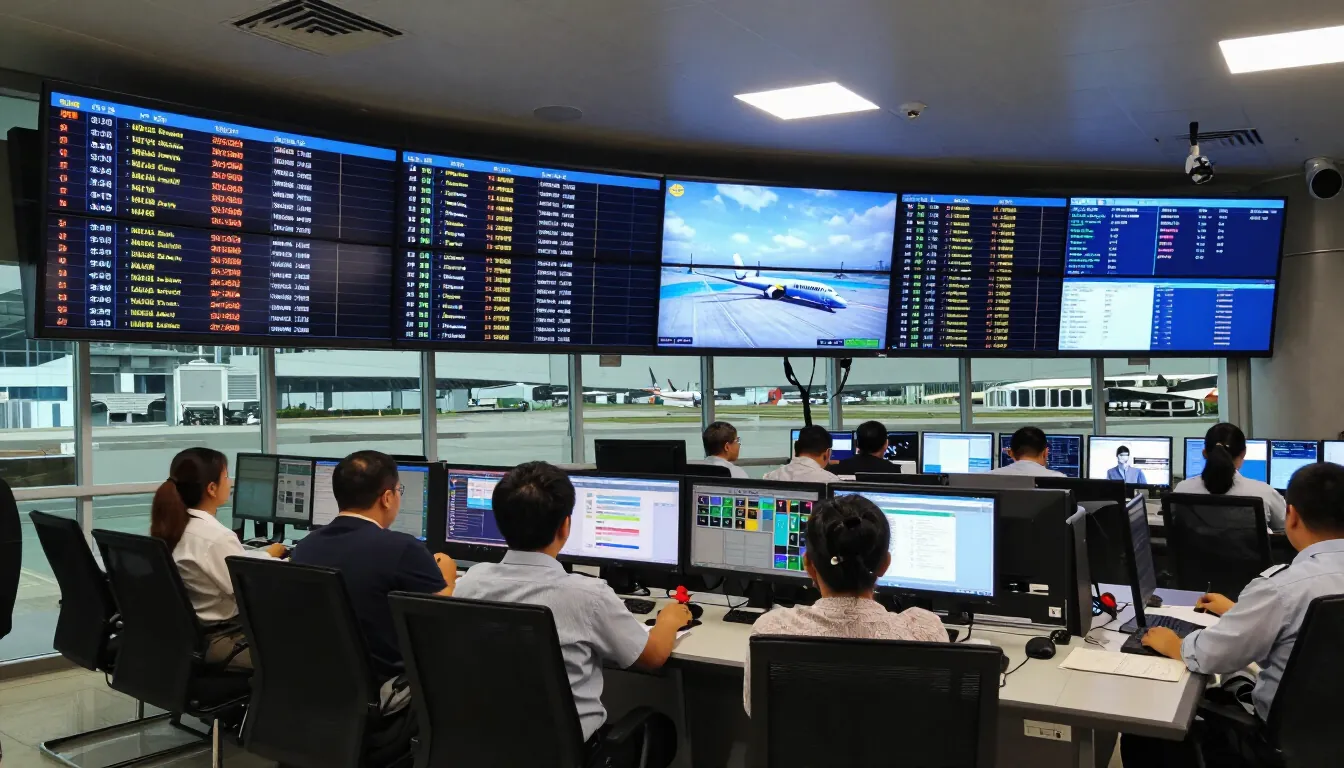
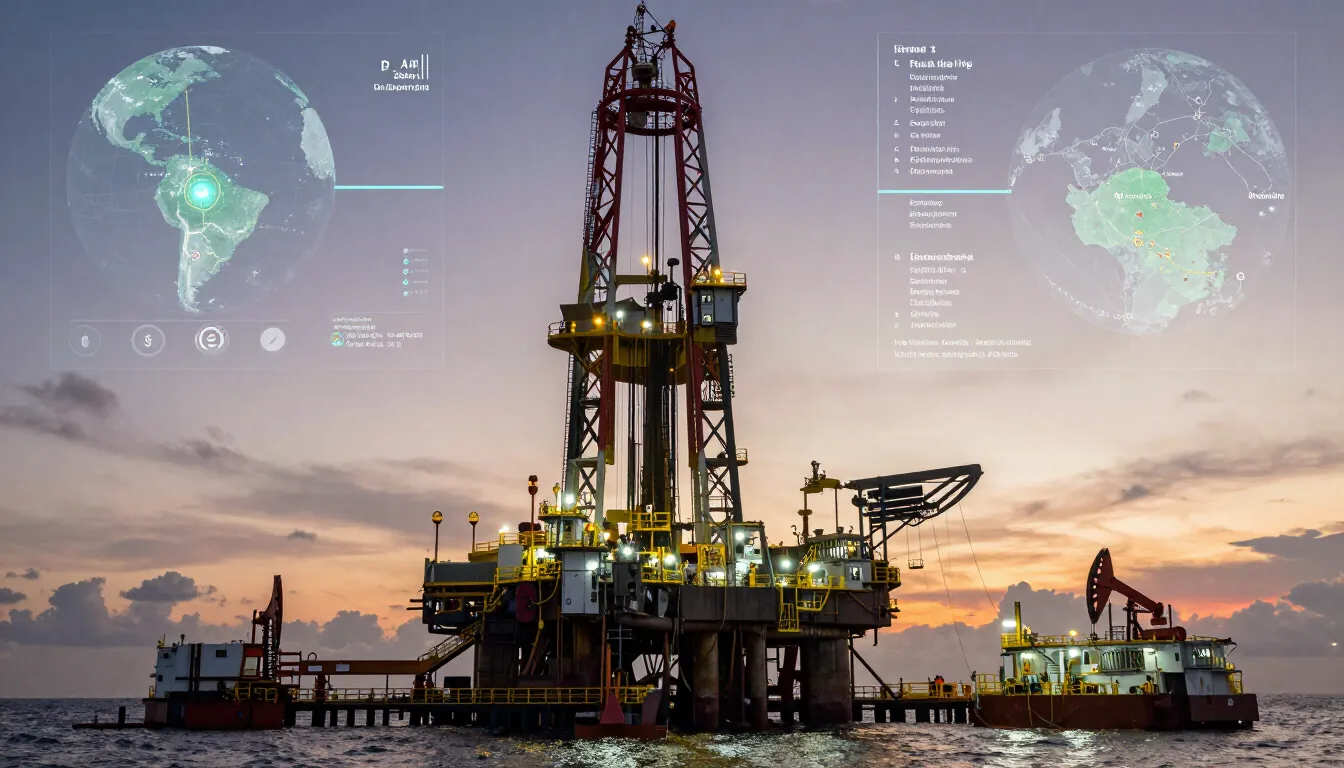
The client operates in oil and gas exploration, where identifying and prioritising wells depends on pulling together geospatial and geophysical data, manual field records, and information from both internal systems and external sources. That data existed. It just didn't exist in a form anyone could use quickly.
The Problem
An O&G Exploration Company Running on Fragmented Data
The client's data landscape was fragmented across manual, structured, and unstructured sources, with no standardisation, particularly in geospatial and geophysical (G&G) data. Every well evaluation meant pulling data from multiple systems, reconciling formats by hand, and hoping nothing got missed along the way.
That manual process took roughly two weeks per person, per well. In exploration, where prioritisation speed directly affects which opportunities get pursued and which get missed, two weeks isn't just slow. It's a decision made later than it needed to be, every single time.
The Solution
Treating Data Engineering as Infrastructure, Not an Afterthought
Nimbus was brought in to solve this at the source: not by adding another reporting layer on top of the mess, but by rebuilding the pipeline underneath it. That meant standardising the data itself, automating the transformation work, and putting governance in place so the fix would hold, not just patch things for a quarter.
Standardise, Integrate, Automate, Govern the Data for Them
The engagement covered four connected workstreams:
- G&G data standardisation: Geospatial and geophysical data was standardised into a unified view across business pillars, replacing inconsistent formats with one shared structure.
- Data source integration: 25 diverse data sources, internal and external, structured and unstructured, were integrated into a single data pipeline.
- Transformation automation: 152 data transformation processes were automated, removing the manual reconciliation work that used to eat up two weeks per evaluation.
- Data governance: Governance practices were established to keep data quality and consistency intact as new sources and processes were added over time.
The Results
Data Processing Time Reduced From Two Weeks Per Well to 15 Mins
- Data processing time reduced, through automation of 152 transformation processes.
- 25 data sources unified into a single, consistent pipeline.
- Standardised G&G data giving business pillars a shared, reliable view instead of conflicting formats.
- Improved data governance, keeping quality and consistency intact as the pipeline scales.
- Faster, more accurate well prioritisation, driven by data teams could actually trust.
What Staying Manual Would Have Cost
Every week spent reconciling data by hand was a week not spent evaluating the next opportunity. At two weeks per well, the client's exploration pipeline moved at the speed of its slowest manual process, not its best geological insight. Left unaddressed, that gap would have kept compounding: more wells to evaluate, the same fixed bottleneck, and decisions consistently made later than the data actually allowed.
Is your exploration data slowing down your decisions? If your team is still reconciling geospatial, geophysical, or operational data by hand, the bottleneck usually isn't your people, it's your pipeline. Nimbus can help you find out how much time is sitting in that gap.