
Architecture Assessment & Design
Audit your real workload. Design optimal cloud architecture (IaaS, PaaS, containers, hybrid, private). Includes blueprints, security, and cost projections.
You're not overspending because you're careless. You're overspending because someone sized your infrastructure for a workload you no longer run. We audit your real consumption, design optimal architecture, then migrate in controlled waves.
The problem
32%
of cloud spend is wasted on idle or oversized resources.
5x
faster incident recovery with a well-architected baseline.
99.99%
availability target for production workloads.
What we do
Most cloud migrations fail because the architecture was bad from the start. We handle everything from architecture design, planning, migration execution, to optimisation. You stay compliant. Your business keeps running.
Audit your real workload. Design optimal cloud architecture (IaaS, PaaS, containers, hybrid, private). Includes blueprints, security, and cost projections.
Analyse actual usage patterns. Eliminate overprovisioning. Design auto-scaling for growth. Stop paying for capacity you never use.
Move infrastructure without downtime. Parallel environments, exhaustive testing, zero unplanned disruption. Data integrity and compliance guaranteed.
Transform legacy apps for cloud. Refactor for efficiency or lift-and-optimise. Faster performance in cloud than on-premises.
Strategic guidance on cloud models, vendors, compliance (BNM, PDPA). Avoid costly mistakes. Choose what fits your business.
We map your current state, constraints and the outcome you are actually chasing.
A right-sized architecture and plan, reviewed with your team before anything ships.
Infrastructure-as-code execution with validation gates and clear runbooks.
Continuous tuning of cost, performance and security after go-live.
The Impact
30%
Average infrastructure cost reduction
24/7
Dedicated support engineer included
20+
Local expertise in Malaysian regulatory environment
100%
Data integrity rate
99.9%
Uptime SLA

50+ physical servers collapsed to 7 virtual machines with an architecture-led cloud migration.
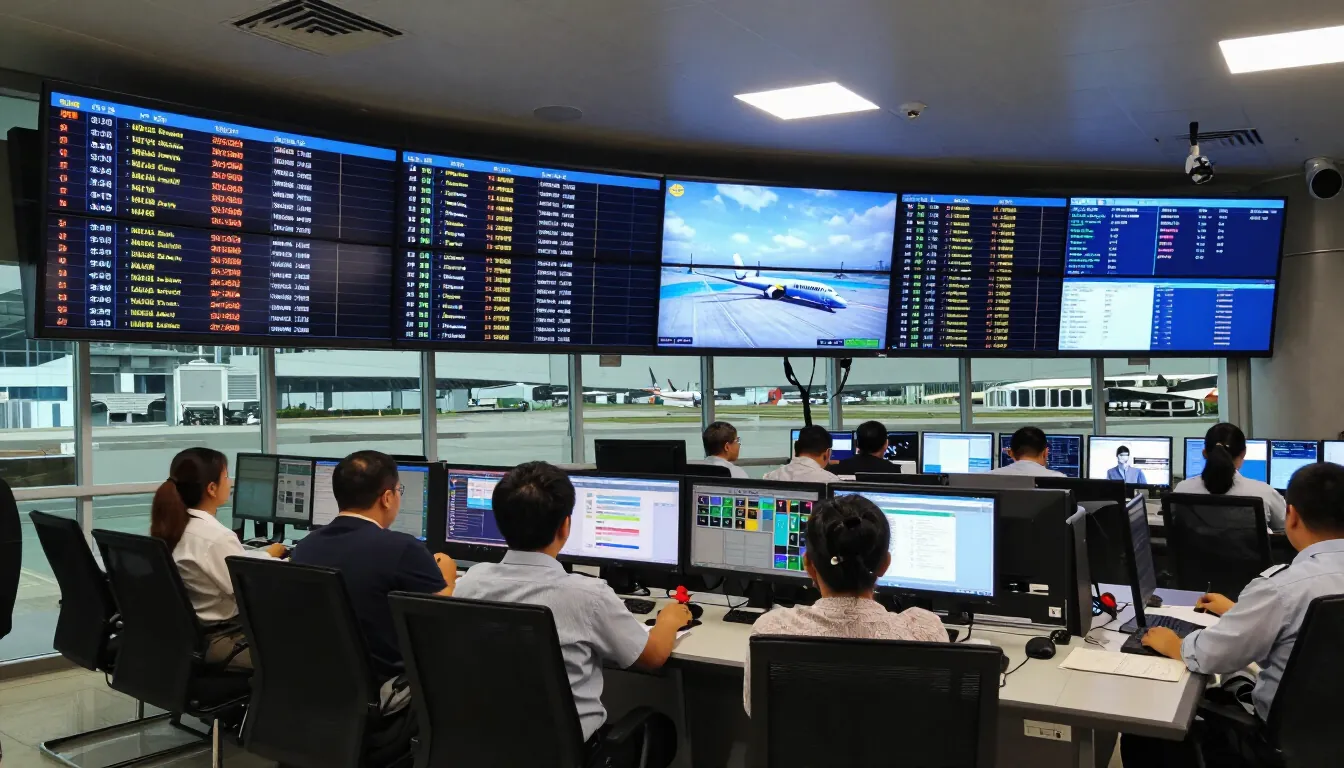
Tested backups and annual DR simulations helped a regulated aviation operator pass two annual compliance audits.
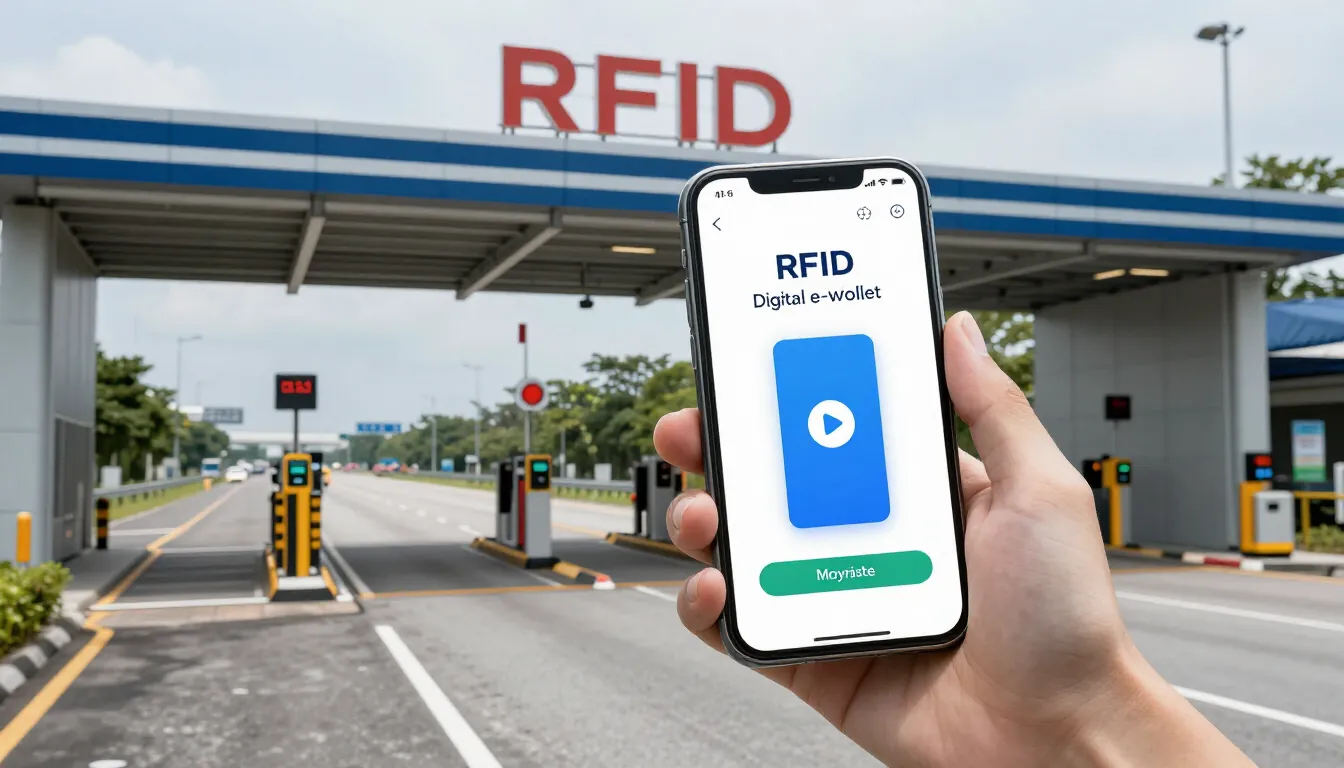
Cloud IaaS let a digital payments provider launch an RFID toll system and e-wallet in days instead of months.

Automating 152 data transformation processes cut well evaluation from two weeks to 15 minutes.

Automated Microsoft 365 backup and fast recovery secured emails, files, and SharePoint for a growing developer.
An S3 bucket solution converted CapEx to OpEx and removed physical disk dependency for a content-heavy studio.

Tanzania-based hosting with local Congo backup met 99.9% uptime and data residency compliance at lower TCO.
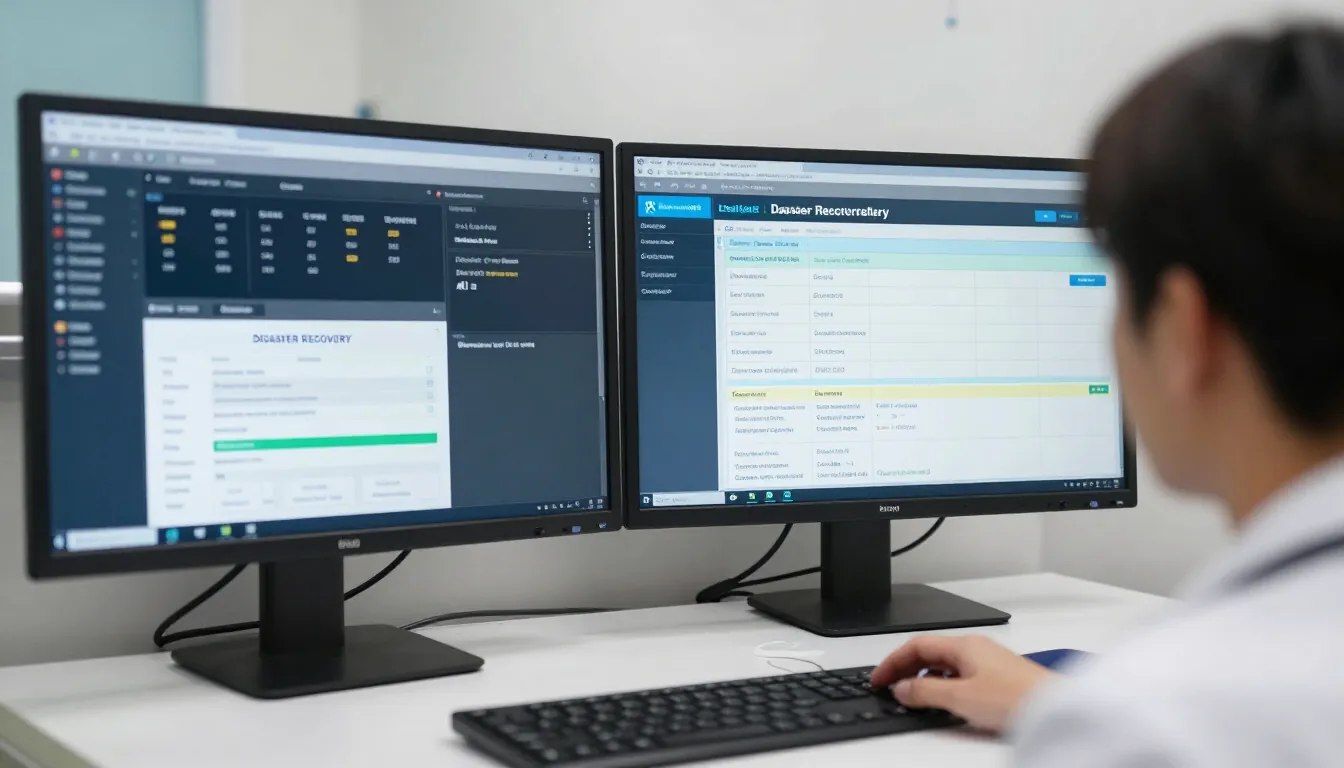
Biannual DR drills validated a 2-hour RPO and 4-hour RTO with audit-ready reporting for a healthcare firm.

A layered backup and tiered DR strategy hardened a government resource planning provider against ransomware.
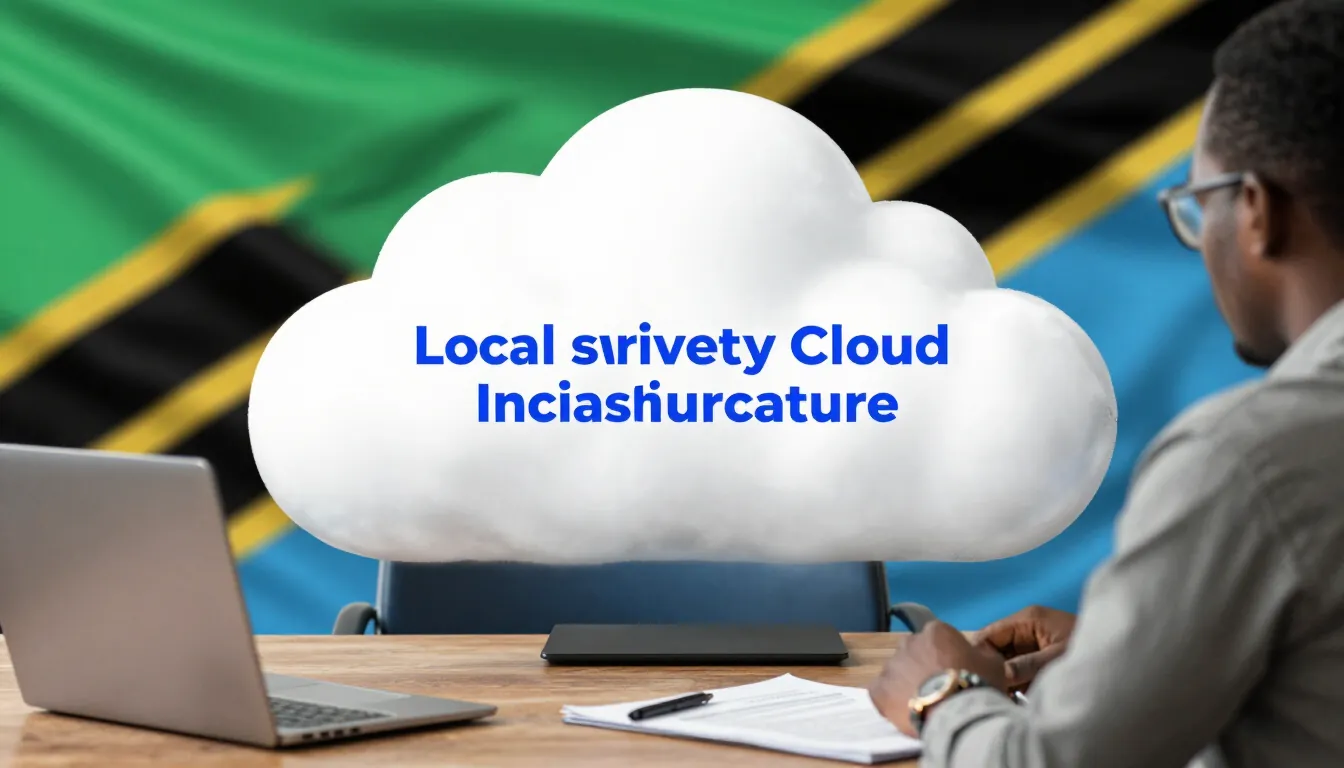
A local private cloud with built-in backup kept Tanzanian financial data in-country at a 99.9% SLA and lower TCO.
50+ physical servers collapsed to 7 virtual machines with an architecture-led cloud migration.
Tested backups and annual DR simulations helped a regulated aviation operator pass two annual compliance audits.
Cloud IaaS let a digital payments provider launch an RFID toll system and e-wallet in days instead of months.
Automating 152 data transformation processes cut well evaluation from two weeks to 15 minutes.
Automated Microsoft 365 backup and fast recovery secured emails, files, and SharePoint for a growing developer.
An S3 bucket solution converted CapEx to OpEx and removed physical disk dependency for a content-heavy studio.
Tanzania-based hosting with local Congo backup met 99.9% uptime and data residency compliance at lower TCO.
Biannual DR drills validated a 2-hour RPO and 4-hour RTO with audit-ready reporting for a healthcare firm.
A layered backup and tiered DR strategy hardened a government resource planning provider against ransomware.
A local private cloud with built-in backup kept Tanzanian financial data in-country at a 99.9% SLA and lower TCO.

In Malaysia, 73% of organisations report that their AI initiatives stall due to poor data infrastructure, not a lack of models. Meanwhile, 64% of Malaysian enterprises overspend on platform licenses for features they never use.

Cloud migration trends in Malaysia are accelerating rapidly. In 2025, Malaysia’s cloud migration adoption is forecast to reach 50-60%, driven by government initiatives like MyDIGITAL, enterprise demand for agility, and investments by major cloud providers.

With the Personal Data Protection Act (PDPA) and National Cloud Computing Policy (NCCP) now enforced, organisations need sovereign cloud infrastructure that keeps data within national borders.

A guide to building modern data platforms: ingestion, storage, processing, analytics, and governance. Every successful business runs on decisions — good decisions backed by data.

Most Malaysian organisations we engage with don’t need another whiteboard session filled with buzzwords. They need a data pipeline that flows, a dashboard people use daily, and insights that empower decisions today.

Your enterprise cloud solution is working today. But are you locked in? Most Malaysian enterprises choose cloud providers based on capability and cost. Few ask the harder question: what happens when you need to switch vendors?

Built for Malaysian Enterprises | Powered by Open-Source | Delivered In-Country by Nimbus. Cloud data platforms unify fragmented systems — see how Malaysian enterprises eliminated silos, cut reporting time in half, and scaled faster.

Your team migrated to the cloud to reduce costs. Instead, your monthly Cloud bill doubled. Mid-sized companies spend an average of $2.1 million annually on cloud infrastructure, yet waste approximately 30-35% of that budget.

Your company wants to implement artificial intelligence. Your board asks about machine learning capabilities. Your competitors are talking about AI-driven insights. So you hire data engineers, buy expensive tools, and start building. Then six months in, the project stalls.

When systems fail, every minute costs money, trust, and sometimes lives. Disaster Recovery as a Service (DRaaS) turns recovery from a stressful, manual scramble into a tested, automated guarantee — and 15 minutes can be the difference between a blip and a catastrophe.

Your patient data lives in 7 different systems. Lab results in one. Medical imaging in another. Pharmacy records somewhere else. The fundamental problem isn’t servers or infrastructure — your patient data isn’t unified.
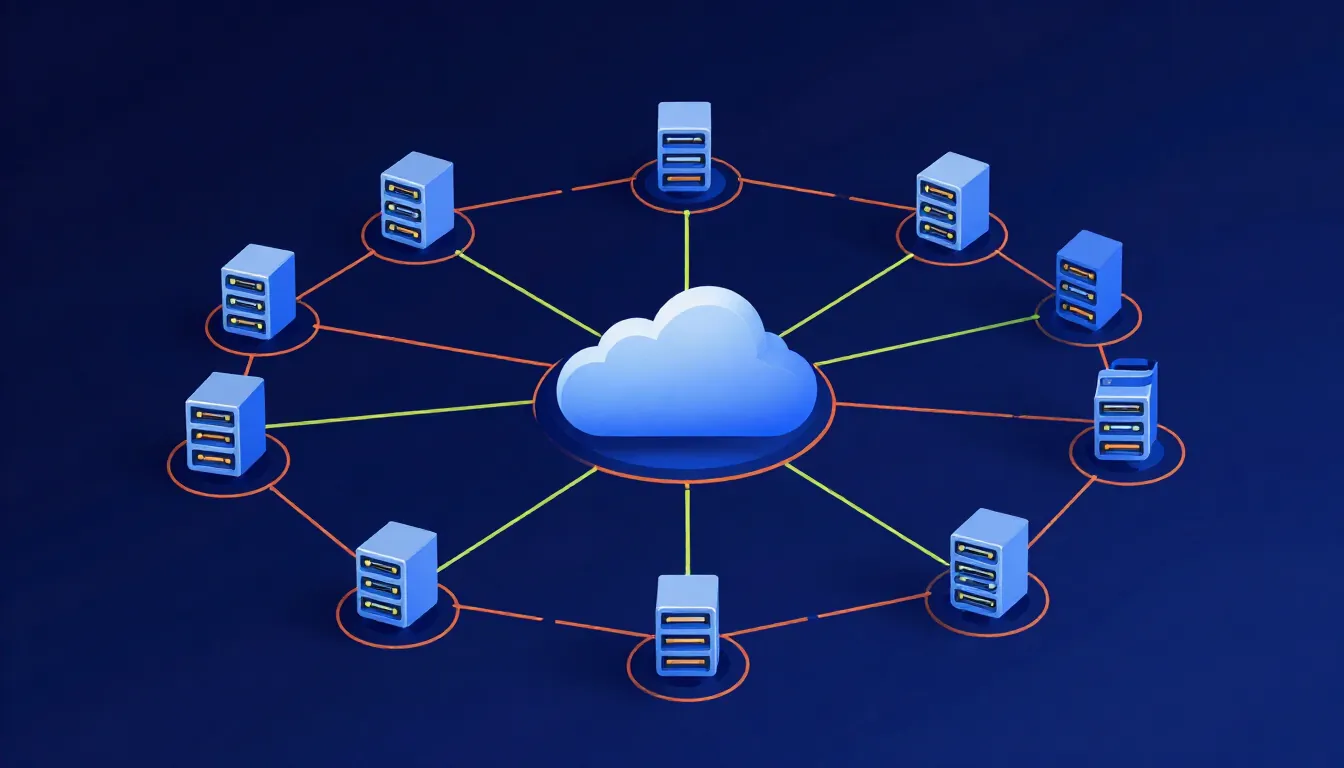
Learn single vs multi-cloud, which suits Malaysian businesses, and how to choose. And why 89% of enterprises use a multi-cloud strategy to avoid lock-in & reduce costs.
In Malaysia, 73% of organisations report that their AI initiatives stall due to poor data infrastructure, not a lack of models. Meanwhile, 64% of Malaysian enterprises overspend on platform licenses for features they never use.
Cloud migration trends in Malaysia are accelerating rapidly. In 2025, Malaysia’s cloud migration adoption is forecast to reach 50-60%, driven by government initiatives like MyDIGITAL, enterprise demand for agility, and investments by major cloud providers.
With the Personal Data Protection Act (PDPA) and National Cloud Computing Policy (NCCP) now enforced, organisations need sovereign cloud infrastructure that keeps data within national borders.
A guide to building modern data platforms: ingestion, storage, processing, analytics, and governance. Every successful business runs on decisions — good decisions backed by data.
Most Malaysian organisations we engage with don’t need another whiteboard session filled with buzzwords. They need a data pipeline that flows, a dashboard people use daily, and insights that empower decisions today.
Your enterprise cloud solution is working today. But are you locked in? Most Malaysian enterprises choose cloud providers based on capability and cost. Few ask the harder question: what happens when you need to switch vendors?
Built for Malaysian Enterprises | Powered by Open-Source | Delivered In-Country by Nimbus. Cloud data platforms unify fragmented systems — see how Malaysian enterprises eliminated silos, cut reporting time in half, and scaled faster.
Your team migrated to the cloud to reduce costs. Instead, your monthly Cloud bill doubled. Mid-sized companies spend an average of $2.1 million annually on cloud infrastructure, yet waste approximately 30-35% of that budget.
Your company wants to implement artificial intelligence. Your board asks about machine learning capabilities. Your competitors are talking about AI-driven insights. So you hire data engineers, buy expensive tools, and start building. Then six months in, the project stalls.
When systems fail, every minute costs money, trust, and sometimes lives. Disaster Recovery as a Service (DRaaS) turns recovery from a stressful, manual scramble into a tested, automated guarantee — and 15 minutes can be the difference between a blip and a catastrophe.
Your patient data lives in 7 different systems. Lab results in one. Medical imaging in another. Pharmacy records somewhere else. The fundamental problem isn’t servers or infrastructure — your patient data isn’t unified.
Learn single vs multi-cloud, which suits Malaysian businesses, and how to choose. And why 89% of enterprises use a multi-cloud strategy to avoid lock-in & reduce costs.
Our Efforts Have Helped These Businesses







Start with a free assessment and a 30-day trial. Keep whatever we build together.
No lock-in. Honest recommendations only.
3 months typically. Assessment and architecture design (2–4 weeks), detailed migration planning (2–4 weeks), actual migration execution (4–8 weeks), post-migration optimisation (2–4 weeks). Timeline depends on infrastructure complexity and workload size.
No. We build parallel cloud environments, migrate data and applications, test everything, then switch during maintenance windows (typically nights/weekends). Your users won't notice. Zero unplanned downtime. Business impact is zero.
Yes. We use cloud-agnostic technologies, open source software (OSS), open standards, portable data formats, and strategies keeping your options open. Multi-cloud flexibility? Possible. Cloud-to-cloud migration later? We design for it. You work for your business, not a vendor.
It rarely happens, but in case it does, we build tested rollback procedures for every critical system before cutover. If cutover fails, we revert within minutes. Our validation catches issues before they become problems. We've never needed rollback — preparation prevents disasters.